
RIM molded for impact resistance, RF transparency & low batch cost. Density 1.03 g/cm³, unnotched impact 80 kJ/m², wall thickness 2–12 mm. STEP file in → quote in 24h.
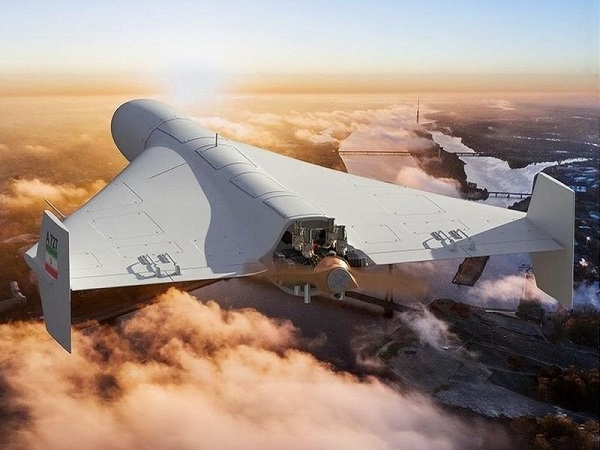
Engineered for the demands of modern unmanned aircraft
Ductile thermoset material absorbs impact energy instead of splintering like FRP or carbon fiber. Survives hard landings and debris strikes.
No signal shadowing for GNSS, 5G, or RC telemetry. GPS locks faster and stays locked — critical for BVLOS operations.
Density 1.03 g/cm³. Stiffer impact response than aluminum with superior crash deformation characteristics.
No gel coat required. Accepts PU, epoxy, and UV topcoats directly. Smooth finish out of the mold.
60–80% cheaper than plastic injection tooling. Viable from 50 pcs batch. Aluminum molds for prototypes in 2 weeks.
Service temperature −60 to 205°C. HDT 95–110°C at 1.8 MPa. Performs in desert heat and arctic cold.
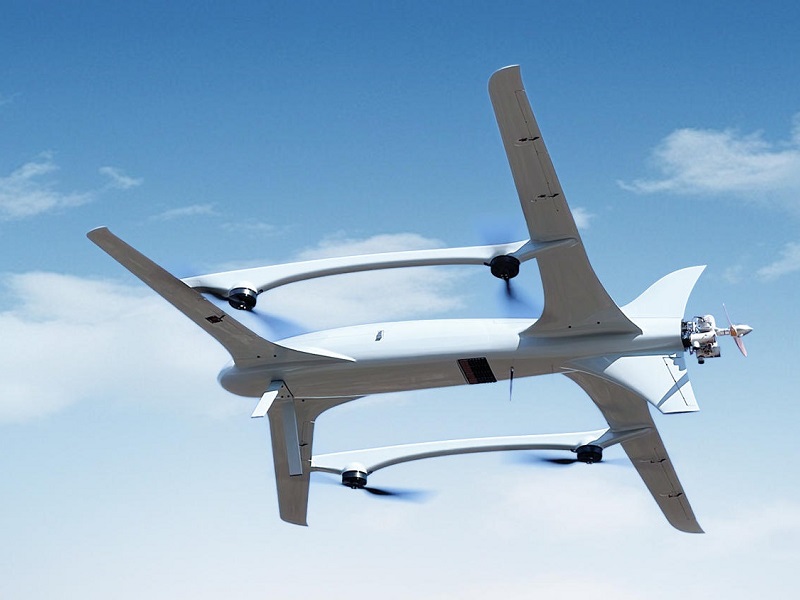
Real PDCPD drone shells molded by HongFox — no renderings

1.8m span, 2.5mm wall, delivered to Germany

Clean edges, integrated mounting bosses, paint-ready

Smooth Class-A surface, integrated camera mount

Hybrid fixed-wing, RF-transparent canopy section

Mounting boss, sealing groove, threaded insert ready

Electronics mounted, full assembly ready for flight
Tested per GB/T and ISO standards. Full dimensional report with every batch.
| Property | Value | Standard |
|---|---|---|
| Density | 1.03 g/cm³ | GB/T 1033 |
| Tensile Strength | 51–60 MPa | GB/T 1040 |
| Flexural Modulus | 2.0–2.2 GPa | GB/T 9341 |
| Unnotched Impact | 25–80 kJ/m² | GB/T 1043 |
| HDT (1.8 MPa) | 95–110 °C | GB/T 1634 |
| Service Temp | −60 to 205 °C | — |
| Water Absorption (24h) | <0.1% | GB/T 1034 |
| Linear Shrinkage | ~0.8% | — |
| Parameter | Range |
|---|---|
| Mold Pressure | <1 MPa |
| Wall Thickness | 2–12 mm (reliable at 2mm) |
| Max Part Size | Up to 2 m+ in single shot |
| Cure Time | 30–180 s injection + 5–20 min demold |
| Mold Material | Aluminum (prototype) / Steel (production) |
| Surface Finish | Class-A, paint-ready, no gel coat |
PDCPD vs CFRP vs ABS vs Aluminum — key properties for UAV structural shells
From CAD file to finished part — fully in-house
Transparent pricing structure — no hidden fees
50 pcs
Aluminum mold · 18–25 days · Ideal for testing & certification
200–500 pcs
Aluminum mold · 25–30 days · Pilot production & small OEM runs
1,000–5,000 pcs
Steel mold · 25–35 days · Serial production, annual contracts
CNC Prototype
5–7 days · Validate fit & function before tooling investment
Where our PDCPD drone shells are flying today
Quick answers to the questions we hear most from UAV engineers
For non-primary-load skins and covers, yes — PDCPD offers cheaper tooling, isotropic impact behavior, and RF transparency. Primary structural spars still benefit from carbon fiber or aluminum. Many clients use a hybrid approach: carbon spar + PDCPD skin.
Reliably 2 mm on most geometries. 1.5 mm is achievable on small parts with support ribs. We'll advise optimal wall thickness during DFM review based on your part's size and structural requirements.
PDCPD accepts PU (polyurethane), epoxy, and UV-curable topcoats directly — no gel coat or primer required for most applications. We offer RAL and Pantone color matching. Anti-static and conductive coatings also available.
Approximately 30 days including aluminum mold fabrication and first-article approval. If you already have an approved mold, repeat batches ship in 18–25 days from order confirmation.
Yes. We routinely sign mutual NDAs before receiving STEP files. Your designs remain your property — we never reuse or resell custom mold designs. Mold ownership transfers to you upon project completion.
PDCPD has a dielectric constant of ~2.4–2.8 and near-zero signal attenuation across GNSS L1/L2, 2.4 GHz, 5.8 GHz, and 5G bands. We can provide insertion loss test data on request. It's an excellent radome material.
Absolutely. We offer CNC-machined prototypes from solid PDCPD board — 5 to 7 days delivery. This lets you validate fit, finish, and assembly before investing in mold tooling. Many clients use this to secure their own customer approval first.
Send your STEP file and requirements. Quote within 24 hours. NDA available.
Request Quote →


